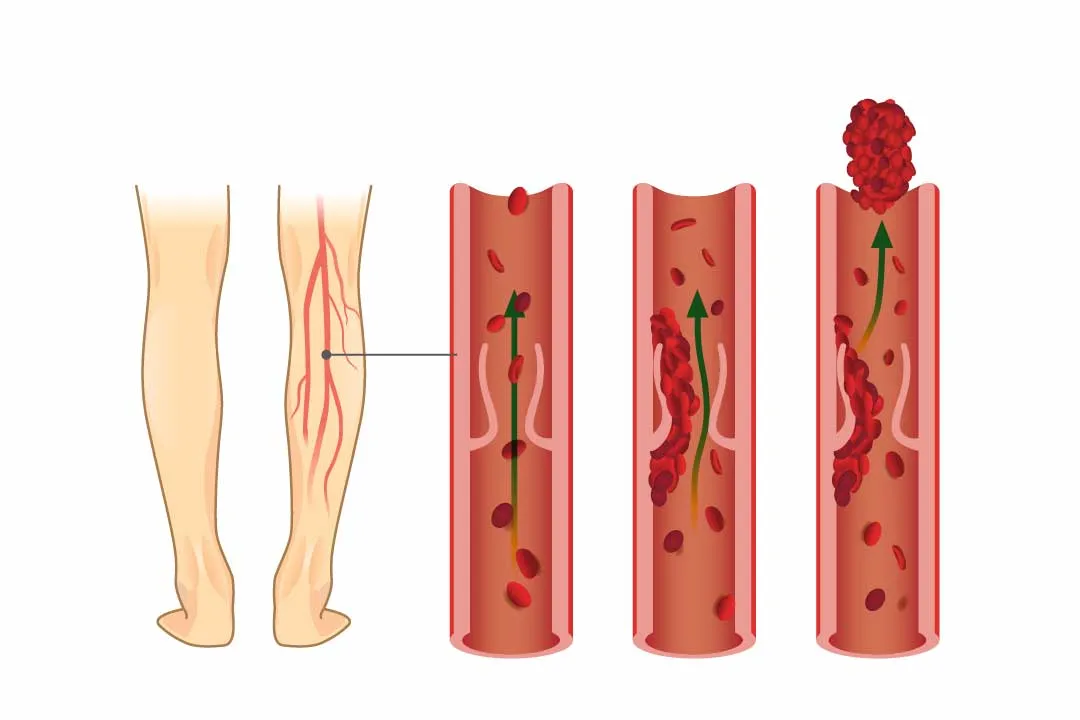
Venous disease refers to a spectrum of conditions that affect the veins, particularly in the lower extremities. When veins fail to efficiently return blood to the heart, blood may pool in the legs, leading to discomfort and progressive complications. Early detection is crucial to prevent progression to more severe conditions such as chronic venous insufficiency, ulcers, or deep vein thrombosis.
Dr Palkesh Agrawal, cardiothoracic and vascular surgeon, emphasizes that awareness of the early signs of venous disease allows timely intervention and better long-term vascular health.
Understanding Venous Disease
Veins are responsible for returning deoxygenated blood from the body to the heart. When the venous valves weaken or veins become damaged, blood can flow backward, creating increased pressure in the veins. Over time, this can result in symptoms ranging from mild discomfort to significant health risks.
Common causes of venous disease include:
- Prolonged standing or sitting
- Obesity or weight gain
- Pregnancy
- Family history of venous disorders
- Previous leg injuries or surgeries
- Sedentary lifestyle
Early Signs of Venous Disease
Recognizing venous disease in its early stages can prevent serious complications. The following signs should prompt medical evaluation:
- Leg swelling: Mild or intermittent swelling in the ankles, feet, or calves, particularly at the end of the day
- Heaviness or fatigue: A sensation of heaviness, tiredness, or aching in the legs after prolonged standing or activity
- Visible veins: Appearance of spider veins or small varicose veins under the skin
- Discomfort or cramps: Occasional leg cramps, tingling, or burning sensations
- Skin changes: Early skin discoloration or dryness over the lower legs
- Itching or irritation: Persistent itchiness around visible veins
Dr Palkesh Agrawal stresses that even subtle symptoms should not be ignored, as early intervention can prevent the progression of venous disease.
Risk Factors for Venous Disease
Certain factors increase the likelihood of developing venous disease:
- Age, as veins naturally weaken over time
- Female gender, particularly due to hormonal influences and pregnancy
- Sedentary lifestyle or prolonged immobility
- Family history of varicose veins or chronic venous insufficiency
- Obesity, which increases pressure on leg veins
- Prior history of deep vein thrombosis
Identifying these risk factors allows patients to take preventive measures and seek timely evaluation from a vascular specialist.
Complications of Untreated Venous Disease
If venous disease is left untreated, it can progress to more severe conditions:
- Chronic venous insufficiency with persistent swelling and discomfort
- Formation of larger varicose veins causing pain and cosmetic concerns
- Skin changes such as hyperpigmentation or eczema
- Venous ulcers, particularly around the ankles, which are difficult to heal
- Deep vein thrombosis, which can lead to life-threatening pulmonary embolism
Early consultation with Dr Palkesh Agrawal can help identify the disease at its onset and implement effective treatment strategies.
Diagnosis of Venous Disease
Evaluation of venous disease includes a combination of clinical assessment and imaging studies:
- Physical examination: Inspection of the legs and palpation of veins
- Duplex ultrasound: Assesses vein structure, valve function, and blood flow
- Venography or advanced imaging: Used in complex cases to visualize vein anatomy
Accurate diagnosis allows Dr Palkesh Agrawal to tailor treatment options specific to the severity and location of venous disease.
Management and Treatment Options
Early-stage venous disease can often be managed with conservative measures:
- Leg elevation and compression therapy
- Regular physical activity to improve circulation
- Weight management and healthy lifestyle habits
- Avoiding prolonged standing or sitting
For advanced cases, minimally invasive surgical procedures may be required:
- Endovenous laser therapy or radiofrequency ablation to close faulty veins
- Sclerotherapy for small varicose or spider veins
- Vein stripping or ligation for larger veins
- Advanced vascular surgery in severe or complicated cases
Dr Palkesh Agrawal specializes in both non-surgical and minimally invasive surgical techniques to restore optimal vein function while ensuring patient safety and comfort.
Frequently Asked Questions
Q: How do I know if my leg swelling is related to venous disease?
A: Swelling associated with venous disease is often worse at the end of the day, improves with leg elevation, and may be accompanied by visible veins or heaviness.
Q: Can venous disease be prevented?
A: While genetics cannot be changed, lifestyle modifications such as regular exercise, avoiding prolonged standing, and maintaining a healthy weight can reduce risk.
Q: Is vein treatment painful?
A: Minimally invasive procedures such as endovenous laser therapy or sclerotherapy are generally well-tolerated with minimal discomfort.
Q: Will untreated venous disease worsen over time?
A: Yes. Without intervention, venous disease can progress to chronic venous insufficiency, skin changes, ulcers, or thrombosis.
Q: When should I consult a vascular specialist?
A: Early consultation is recommended if you notice persistent leg swelling, visible veins, discomfort, or skin changes. Dr Palkesh Agrawal can provide expert evaluation and timely treatment.
Why Consult Dr Palkesh Agrawal
Expert care is critical for early detection and management of venous disease. Dr Palkesh Agrawal, cardiothoracic and vascular surgeon, provides:
- Personalized management plans including lifestyle, medical, and minimally invasive surgical options
- Advanced vascular procedures to restore vein function and prevent complications
- Ongoing follow-up to monitor recovery and maintain long-term vascular health
Timely consultation allows patients to prevent progression, reduce symptoms, and improve overall leg health and quality of life.