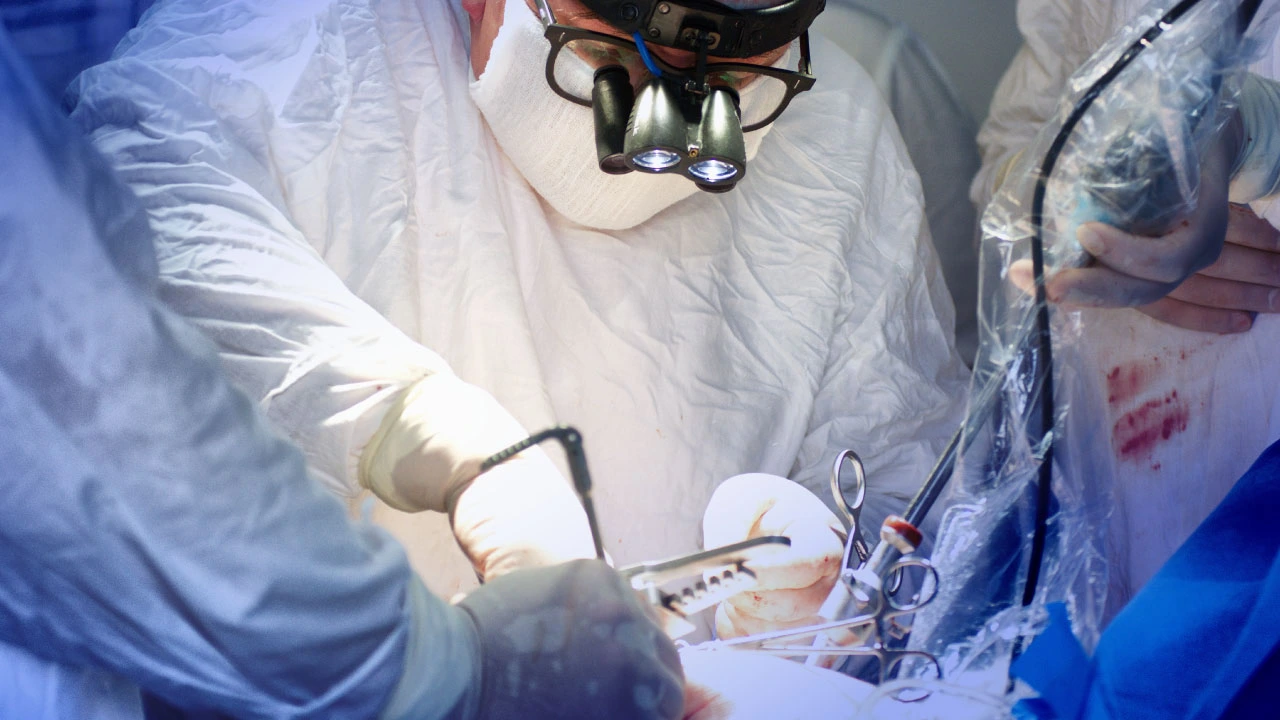
Lung resection surgery is a specialized procedure used to remove a portion of the lung affected by disease. It is commonly performed to treat conditions such as lung cancer, infections, or damaged lung tissue. While the idea of lung surgery may sound daunting, advances in medical technology have made it safer and more effective. In this blog, Dr. Palkesh Agrawal explains what lung resection surgery involves and why it is performed.
What Is Lung Resection Surgery
Lung resection surgery involves the removal of a diseased or damaged part of the lung while preserving as much healthy tissue as possible.
According to Dr. Palkesh Agrawal, the goal is to eliminate the affected area and improve overall lung function or prevent the spread of disease.
Why Is Lung Resection Surgery Done
This surgery is recommended when a part of the lung is severely affected and cannot be treated with medications alone.
Common Reasons Include:
- Lung cancer
- Benign lung tumors
- Severe infections such as tuberculosis
- Lung abscess
- Bronchiectasis
- Traumatic lung injury
Dr. Palkesh Agrawal emphasizes that early surgical intervention can improve outcomes, especially in cancer cases.
Types Of Lung Resection Surgery
The type of surgery depends on how much of the lung needs to be removed.
Wedge Resection
- Removal of a small, wedge-shaped portion of the lung
- Used for small lesions or early-stage disease
Segmentectomy
- Removal of a larger section of the lung
- Preserves more lung tissue compared to lobectomy
Lobectomy
- Removal of an entire lobe of the lung
- Commonly performed for lung cancer
Pneumonectomy
- Removal of one entire lung
- Recommended in advanced or extensive disease
Dr. Palkesh Agrawal carefully selects the most appropriate approach based on the patient’s condition.
How The Surgery Is Performed
Lung resection can be performed using different surgical techniques.
Open Surgery (Thoracotomy)
- Involves a larger incision in the chest
- Provides direct access to the lungs
Minimally Invasive Surgery (VATS/Robotic)
- Uses small incisions and a camera
- Faster recovery and less pain
Dr. Palkesh Agrawal often prefers minimally invasive techniques when suitable.
What To Expect Before Surgery
Before the procedure, patients undergo a detailed evaluation.
Pre-Surgical Assessment Includes:
- Imaging tests like CT scans
- Lung function tests
- Blood tests
- Cardiac evaluation
This helps ensure the patient is fit for surgery.
What Happens During The Procedure
- General anesthesia is administered
- The surgeon removes the affected portion of the lung
- The remaining lung tissue is preserved
- The incision is closed after ensuring stability
The duration depends on the type and complexity of the surgery.
Recovery After Lung Resection
Recovery varies depending on the type of surgery and overall health.
Post-Surgery Care:
- Hospital stay for monitoring
- Pain management
- Breathing exercises
- Gradual return to normal activities
Dr. Palkesh Agrawal emphasizes the importance of rehabilitation for better recovery.
Risks And Complications
Like any surgery, lung resection carries some risks.
Possible Complications:
- Infection
- Bleeding
- Air leaks
- Breathing difficulties
However, with proper care and expert management, complications are minimized.
Benefits Of Lung Resection Surgery
- Removal of diseased tissue
- Improved lung function in some cases
- Better outcomes in early-stage lung cancer
- Relief from symptoms
Who Is A Suitable Candidate
Patients may be considered for surgery if:
- Disease is localized
- Lung function is adequate
- Overall health supports surgery
Dr. Palkesh Agrawal evaluates each case carefully before recommending surgery.
Life After Lung Surgery
Most patients can return to normal life with proper recovery and lifestyle changes.
- Avoid smoking
- Follow medical advice
- Maintain lung health
- Attend regular follow-ups
FAQs
Q: Is lung resection surgery safe?
A: Yes, it is generally safe when performed by experienced surgeons.
Q: How long does recovery take?
A: Recovery can take a few weeks to a few months depending on the surgery.
Q: Can you live normally with part of a lung removed?
A: Yes, most people adapt well with remaining lung tissue.
Q: Is surgery the only treatment for lung cancer?
A: Not always; it depends on the stage and condition.
Q: Will I have breathing problems after surgery?
A: Some temporary changes may occur, but most patients improve with time and therapy.
Conclusion
Lung resection surgery is a vital treatment option for various lung conditions, especially when other treatments are not effective. With modern surgical techniques, it has become safer and more efficient.
With expert care from Dr. Palkesh Agrawal, patients can receive the right diagnosis and treatment plan for better outcomes. If you have been advised lung surgery, understanding the procedure can help you feel more confident and prepared.
If you or a loved one has been advised lung surgery, consult Dr. Palkesh Agrawal for expert evaluation and personalized care. Take the right step toward better lung health today.